The challenge
The central challenge was to translate the firm’s design-led identity into an image-rich digital portfolio while keeping a large collection of architectural work clear, responsive, and efficient to load across devices.
The official portfolio website for Chamara Liyanage Associates, a Sri Lankan architecture and landscape design practice led by Chartered Architect and Chartered Landscape Architect Chamara Liyanage.
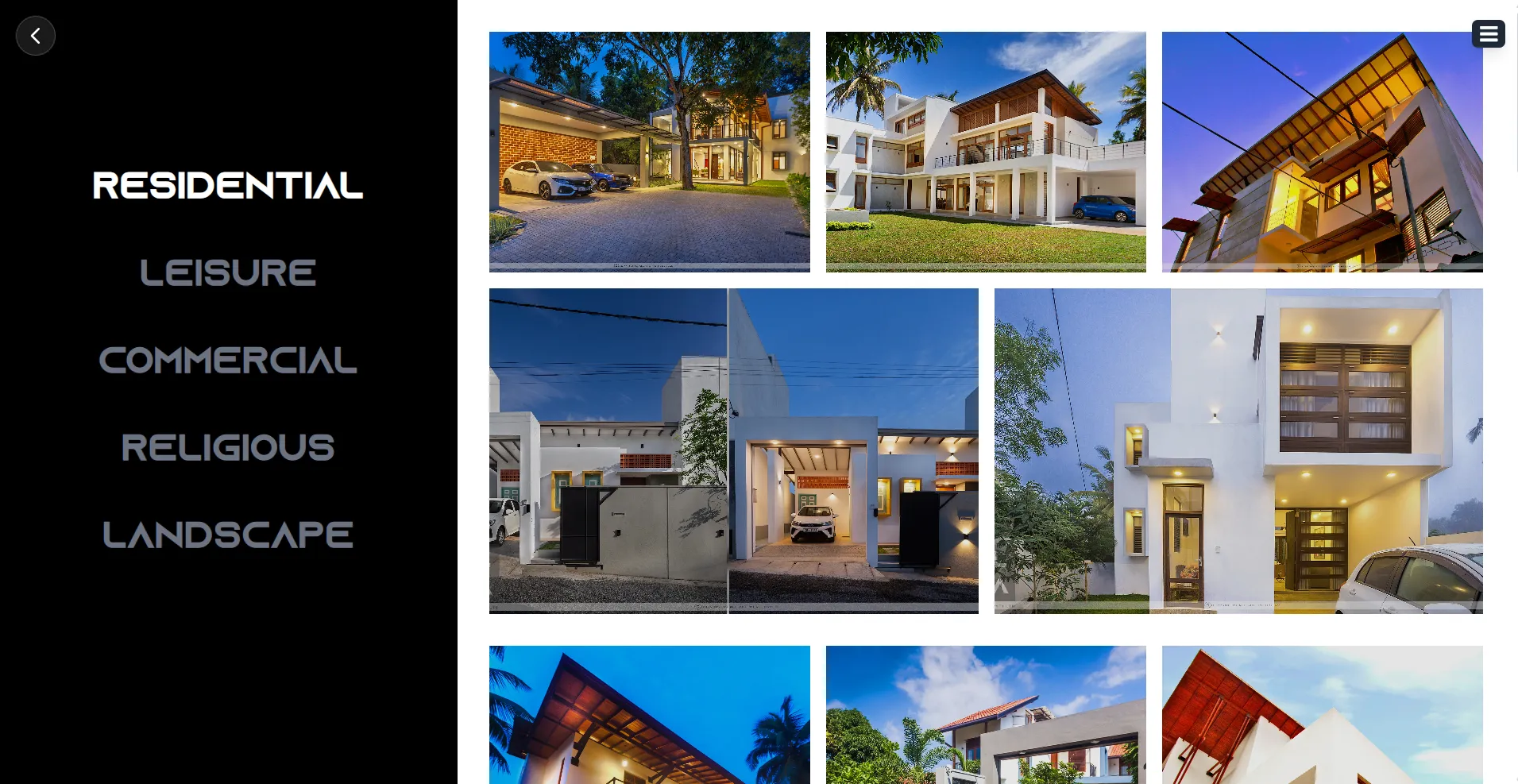
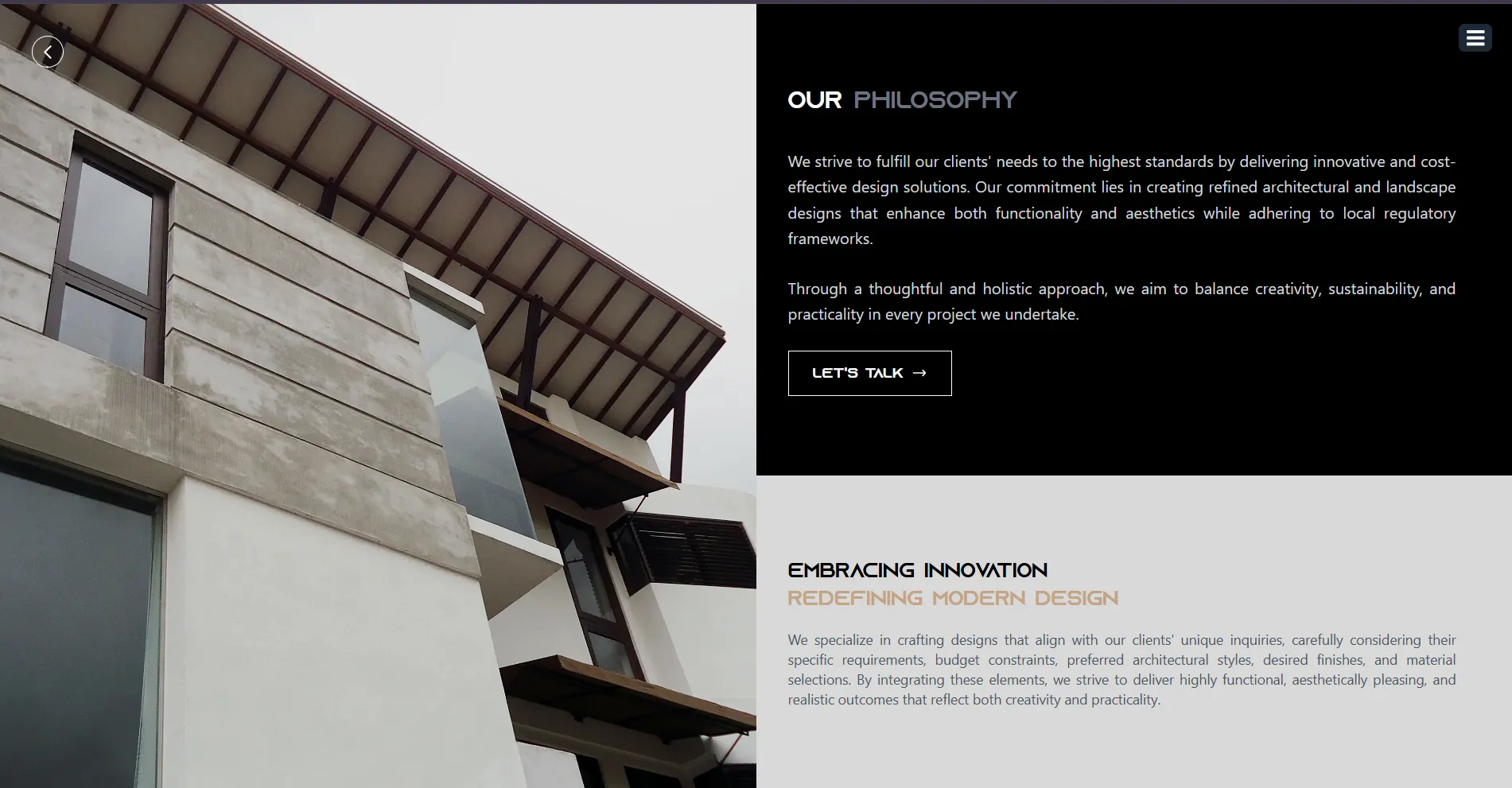
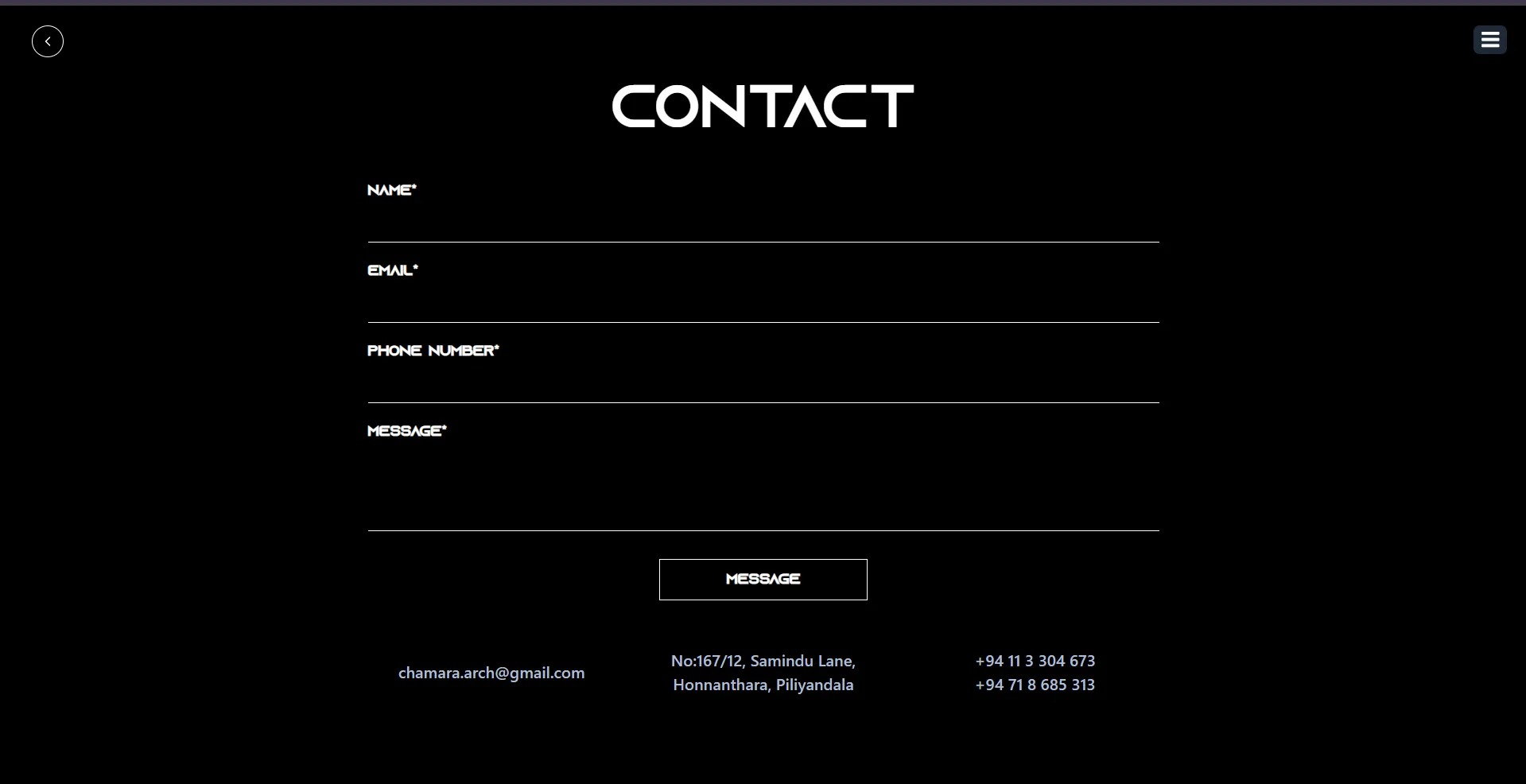
The central challenge was to translate the firm’s design-led identity into an image-rich digital portfolio while keeping a large collection of architectural work clear, responsive, and efficient to load across devices.
The completed website provides a clean, fast, and mobile-friendly presentation of the firm’s residential villas, holiday homes, resorts, and landscape work, supported by a dedicated milestones page documenting more than 15 years of practice.
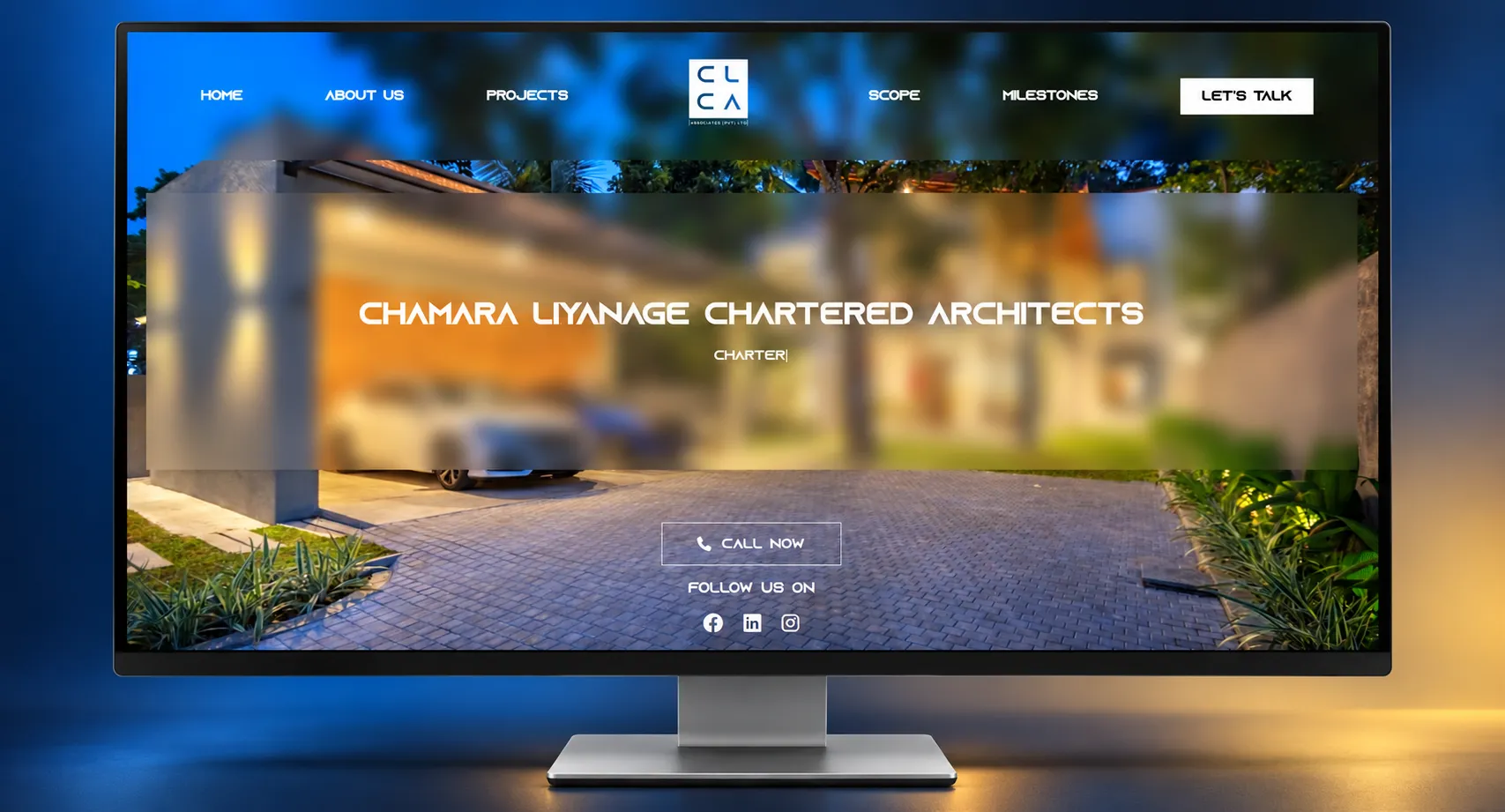 chamaraliyanageassociates.comCLCA ArchitectsThe official portfolio website for Chamara Liyanage Associates, a Sri Lankan architecture and landscape design practice led by Chartered Architect and Chartered Landscape Architect Chamara Liyanage.View live demo
The website serves as the official digital portfolio for Chamara Liyanage Associates, presenting the practice, its design philosophy, and its architecture and landscape projects through a focused visual experience.
The frontend was developed with React.js using reusable, componentized interface patterns that keep project pages consistent and make the portfolio easier to maintain as the firm’s body of work grows.
Tailwind CSS provided a utility-first responsive system for adapting navigation, typography, galleries, and supporting content across mobile, tablet, and desktop breakpoints.
The image-heavy gallery was structured to showcase residential villas, holiday homes, resorts, and landscape projects without compromising loading performance, while the milestones page highlights more than 15 years of design work.
This project demonstrates how reusable frontend architecture and restrained visual design can support an image-led professional portfolio. Working within a team also required consistent component patterns and close coordination so the finished experience remained coherent across content types, screen sizes, and project categories.
I strengthened my ability to structure reusable React components for a content-rich professional website.
I developed a more systematic approach to responsive implementation with Tailwind CSS across multiple breakpoints.
I learned to balance image quality, gallery density, and loading performance in an architecture-focused portfolio.