Skip to project content

Vizualabs Web

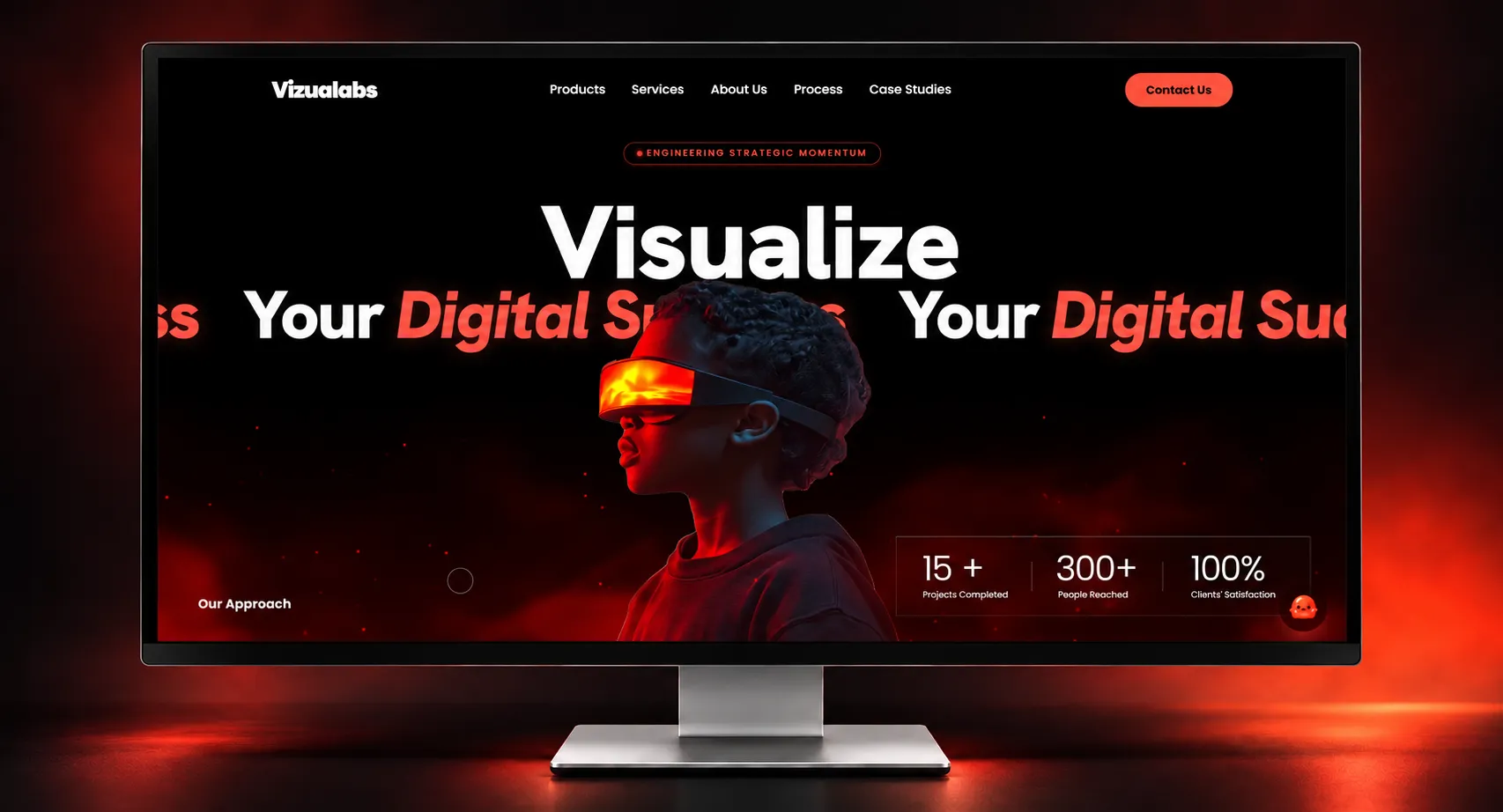
A high-performance digital agency platform built to establish a new benchmark for fluid web interaction, cinematic storytelling, and real-time AI-powered project discovery.

Role
Full-stack development and technical architecture
Category
AI-powered digital experience
Timeline
July 2026 – August 2026
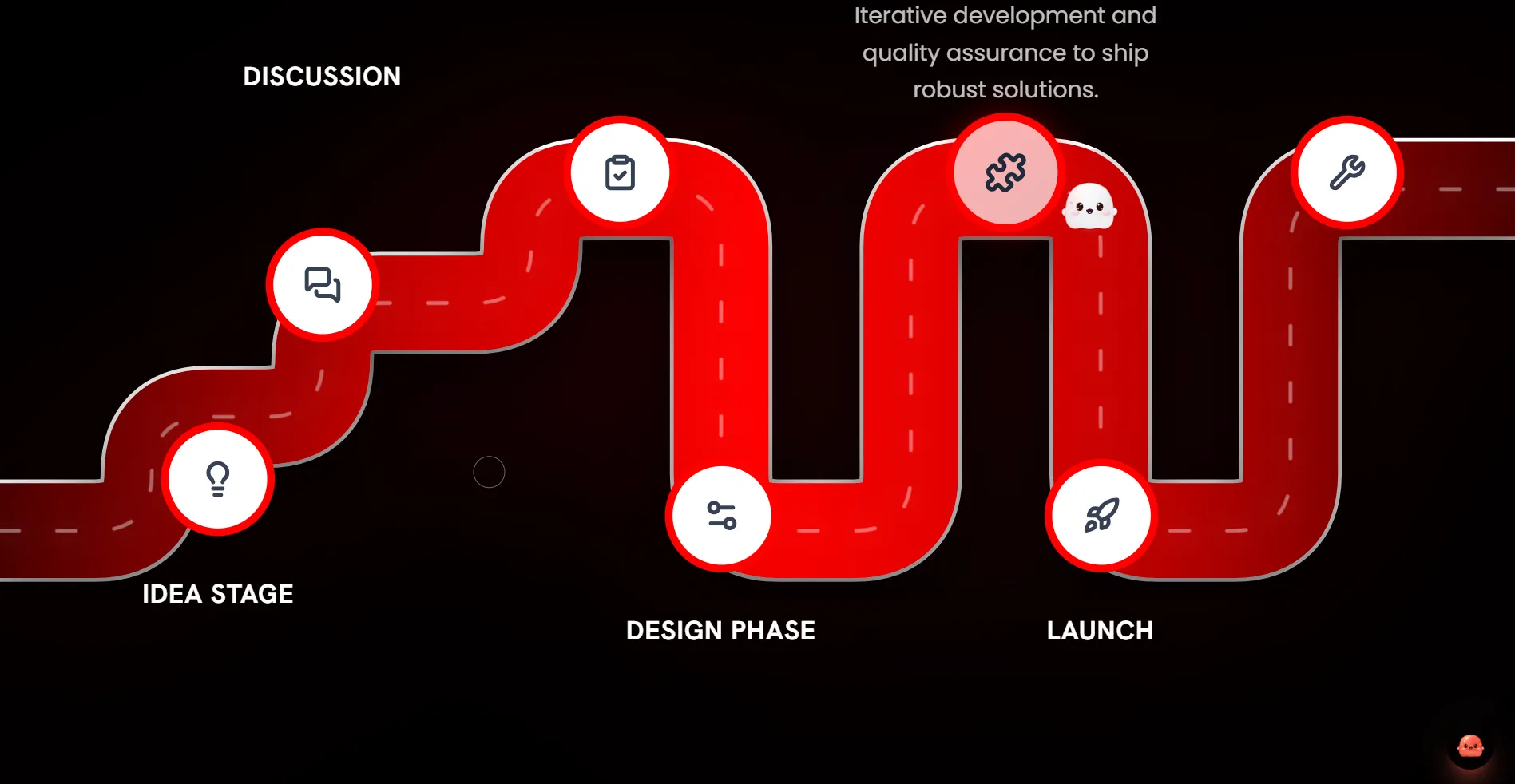
Vizualabs product development process
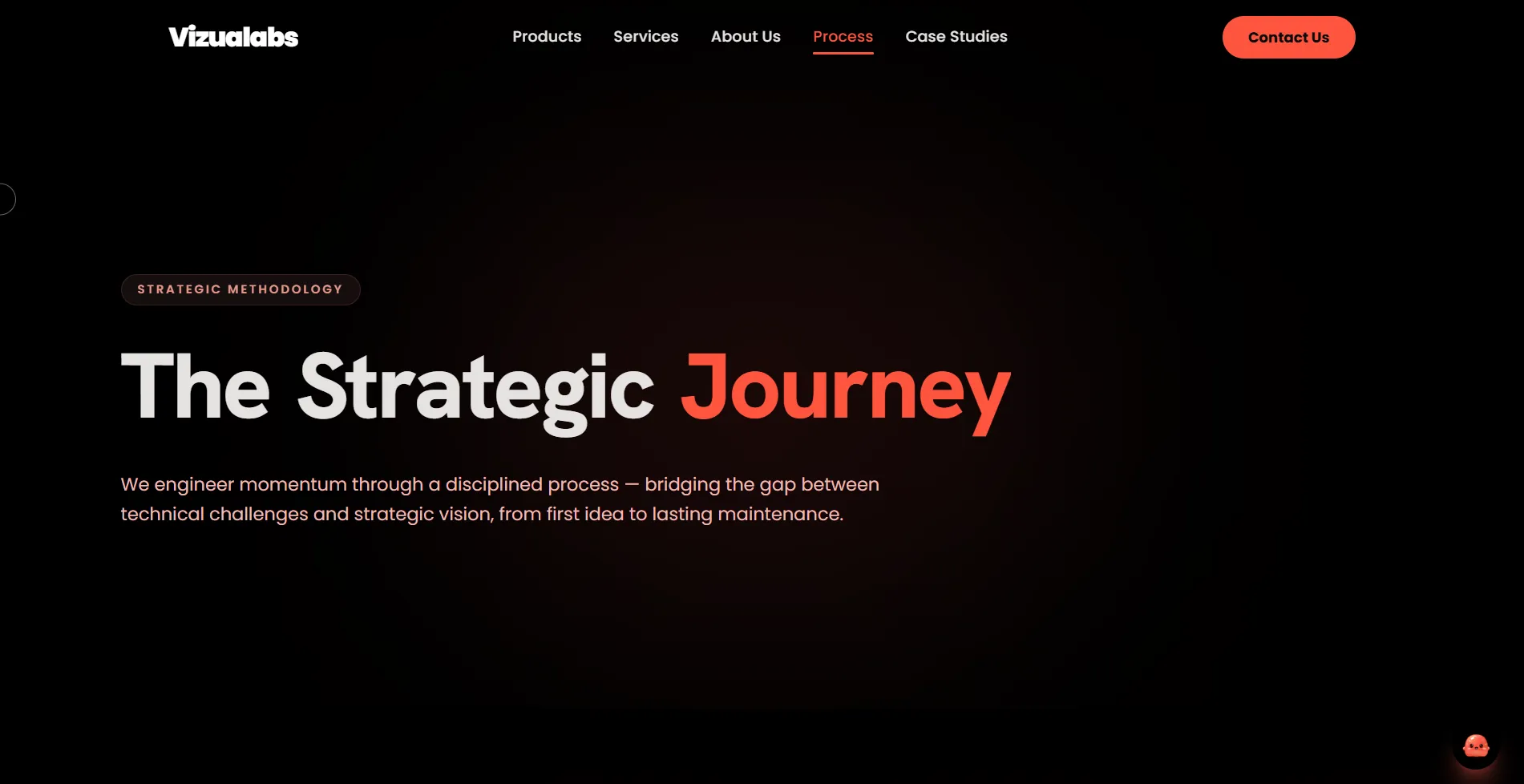
Vizualabs strategic journey page
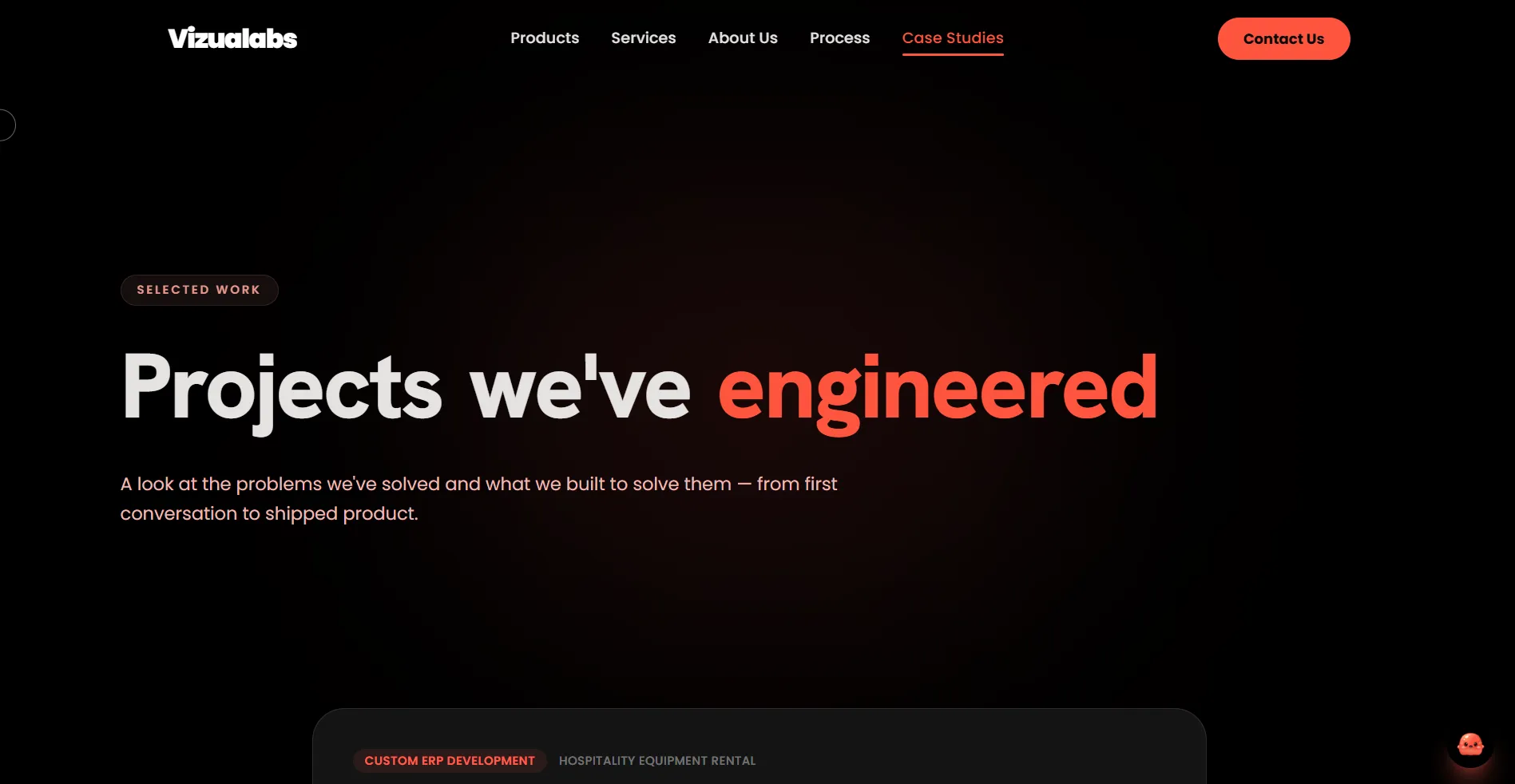
Vizualabs case studies page

Project overview

01

The challenge

The goal was not simply to build an agency website, but to combine application-level performance, fluid interaction, and useful AI assistance without allowing cinematic motion or high-resolution visuals to compromise responsiveness, accessibility, or server-rendering reliability.
02

The outcome

The completed platform brings together a type-safe full-stack foundation, a custom 60 FPS canvas experience, responsive visual effects, and Gemini-powered discovery tools in one cohesive digital presence for Vizualabs.

Deliverables

  1. 01Server-rendered full-stack experience
  2. 0260 FPS canvas motion system
  3. 03AI project estimator and assistant
  4. 04Responsive glassmorphic design system
  5. 05Performance-aware asset and typography delivery

Project access

Technical details

Full-stack foundation

TanStack Start and React 19 provide the server-rendered application foundation, with Bun powering the development and build workflow. This stack supports fast iteration while keeping routing, rendering, and application logic within one maintainable full-stack system.

Type-safe navigation and state

TanStack Router supplies type-safe navigation throughout the experience, while TanStack Query v5 coordinates asynchronous state and caching. Together, they keep page transitions, server data, and interactive tools predictable as the platform evolves.

Cinematic motion system

A custom scroll-driven canvas frame decoder delivers fluid cinematic sequences at up to 60 FPS. Dynamic mouse-tracking physics add responsive depth, while device-pixel-ratio budgeting controls rendering demand across screens with different capabilities.

AI-powered discovery

Google Gemini, integrated through the @google/genai SDK, powers an interactive real-time project estimator and smart assistant widget. These tools help visitors explore potential solutions and translate early ideas into clearer project requirements.

Modern design system

Tailwind CSS v4 supports a responsive design system built around bespoke glassmorphism and reusable visual patterns. Self-hosted typography avoids third-party font requests, while performance-aware assets and rendering decisions preserve the intended experience across devices.

Tech stack

  • TanStack
  • React
  • TypeScript
  • Bun
  • Google Gemini
  • Tailwind CSS

Final thoughts

Vizualabs demonstrates that ambitious visual storytelling and practical application architecture can reinforce each other. The strongest result came from treating performance, motion, AI, responsive design, and maintainability as parts of the same product rather than independent enhancements.

What I learned

  1. 01

    How to coordinate server rendering, type-safe routing, and cached application state within a modern TanStack architecture.

  2. 02

    How to budget canvas resolution and interaction physics to keep cinematic motion smooth across different devices.

  3. 03

    How to integrate generative AI into a focused discovery workflow that supports visitors instead of distracting from the core experience.